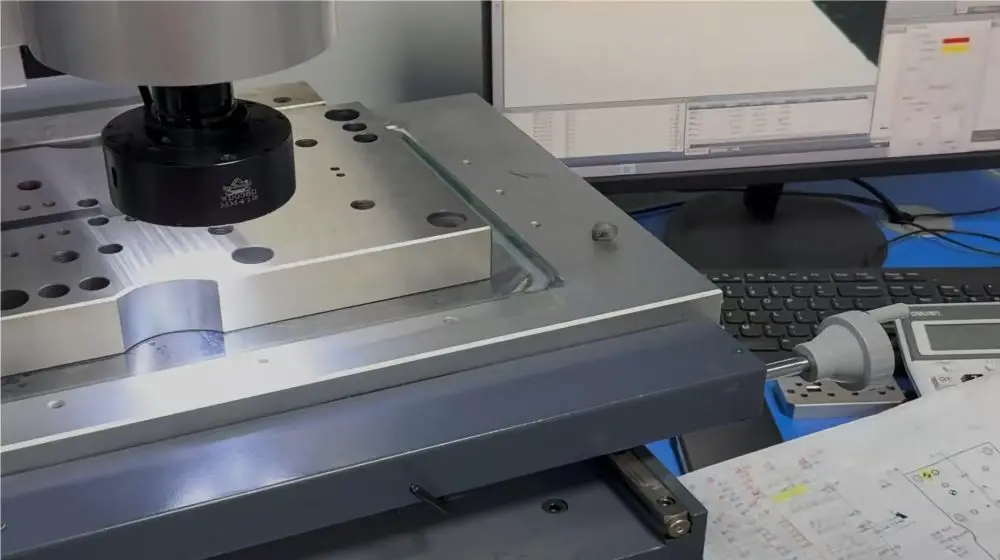
Why Copper Machining Requires Better Process Control
Copper is often chosen for machined parts when conductivity is a key requirement. It is widely used in electrical components, conductive connectors, heat-transfer parts, and custom applications where thermal or electrical performance matters. From a product perspective, copper offers clear advantages. From a machining perspective, however, it often requires more control than many buyers expect.
The challenge is not that copper is “hard” in the way stainless steel is hard. The challenge is that copper behaves differently during cutting. Its softness, ductility, and tendency to form burrs can create quality issues if the process is not planned carefully. For this reason, copper machining often demands closer control of tooling, edge quality, dimensional handling, and finishing consistency.
Copper Is Valuable but Not Always Easy to Machine Cleanly
Copper performs very well in applications that depend on conductivity, but machining it cleanly is often less straightforward than machining aluminum. Chips may not break as easily, edges can become less clean, and surface condition may require more careful control depending on the geometry.
In practical terms, copper machining often requires closer attention to:
- Burr formation
- Surface dragging or smearing
- Edge tearing
- Part movement in thin sections
- Dimensional variation in delicate features
This is why process control becomes especially important when the part has both functional and appearance requirements.
Softness Does Not Mean Simple Processing
It is common to assume that because copper is softer than steel, it is automatically easier to machine. In reality, softer materials can create different machining challenges. Copper may respond more noticeably to clamping force, tool pressure, and finishing operations than harder metals.
This becomes more noticeable when the part includes:
- Fine slots
- Thin sections
- Sharp edges
- Conductive contact areas
- Cosmetic or exposed surfaces
In our machining work, we usually review copper parts carefully before production because the material’s behavior often affects both machining efficiency and final part quality.
Burr Formation Is One of the Main Challenges
Copper parts can develop burrs more easily than many other machined materials. This is especially common around holes, slots, milled edges, and small detailed features. If burrs are not controlled, they may affect assembly, electrical contact, appearance, or later finishing steps.
To reduce burr problems, the machining process should consider:
- Tool sharpness
- Cutting path strategy
- Edge sensitivity of the design
- Whether deburring is integrated into the process
- The final functional use of the part
For electrical or conductive applications, edge quality is often just as important as dimensional control.
Tooling Strategy Needs Careful Selection
Copper machining depends heavily on stable tool performance. If the tool is not cutting cleanly, results may include smeared surfaces, poor edges, and reduced repeatability. Tool selection should match both the part structure and the material behavior.
Important tooling considerations often include:
- Cutting edge sharpness
- Tool geometry
- Stability of the tool path
- Tool wear behavior across the batch
- Suitability for finishing operations
In our experience, copper machining benefits more from a controlled and consistent tooling approach than from overly aggressive cutting aimed only at speed.
Dimensional Stability Still Needs Attention
Although copper is often chosen for conductivity rather than structural strength, dimensional requirements can still be strict—especially for contact surfaces, fitted areas, and small machined features.
Dimensional variation may be influenced by:
- Clamping pressure
- Part thickness and rigidity
- Tool deflection
- Repeated handling
- Finishing sequence and allowance control
When a part includes precision details, a stable process plan helps reduce the risk of size drift or edge distortion during production.
Surface Quality Can Affect Function
In many copper components, surface quality is not only about appearance. It can affect contact performance, fit, and later treatment results. Scratches, burrs, dragged surfaces, or contamination can create problems beyond visual defects.
This is why surface control in copper machining often requires attention to:
- Clean cutting action and stable finishing
- Proper handling after machining
- Controlled deburring methods
- Final cleaning and contamination control
- Protection of contact areas during packaging
For functional copper parts, machining quality and handling quality should be considered together.
Process Planning Matters in Batch Production
One good sample is not enough if batch consistency becomes unstable later. Tool wear, burr buildup, or handling variation can affect copper parts more noticeably during continued production if the process is not monitored closely.
For batch work, we usually pay attention to:
- Repeatability of edge quality
- Consistency of critical dimensions
- Tool condition across the run
- Cleanliness of the part after machining
- Stability of deburring and finishing steps
This supports better consistency, especially for custom machined copper components with tighter functional expectations.
Conclusion
Copper machining requires better process control because the material’s softness and ductility can create challenges in burr control, edge quality, dimensional handling, and surface condition. Strong conductivity may make copper the right material for the application, but reliable machining results still depend on careful process planning.
At Zecheng Precision Mold Company, we understand that copper parts often require close attention to both function and machining detail. If you are planning a custom copper machining project, we would be glad to discuss your part structure, conductivity needs, dimensional requirements, and production expectations.
Common Dimensional Deviation Problems in Precision CNC Machining
Key Points in Precision CNC Machining of Aluminum Parts