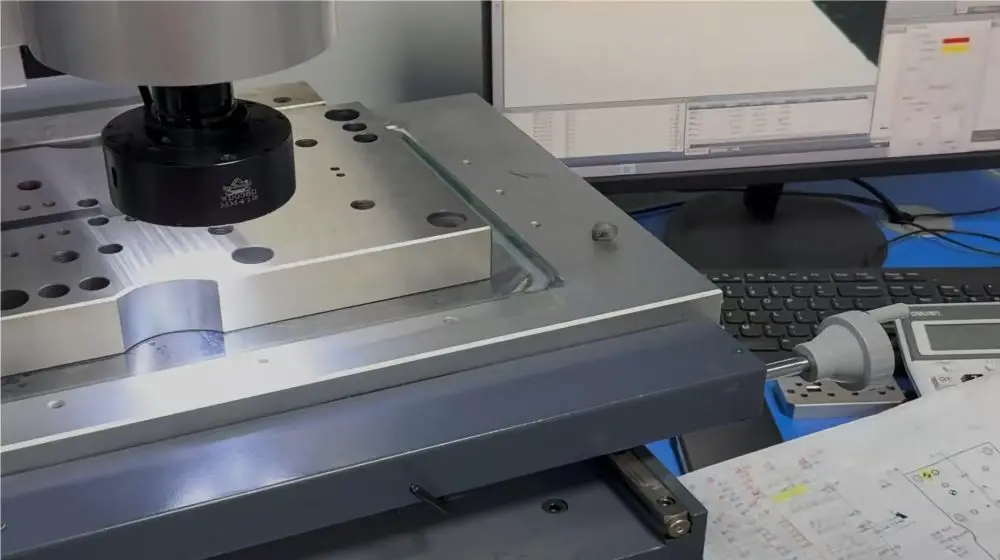
Key Points in Precision CNC Machining of Aluminum Parts
Aluminum parts are widely used in precision CNC machining because they offer a practical balance between weight, machinability, and production efficiency. In many projects, aluminum is selected for housings, brackets, structural components, fixtures, and custom machined parts that require both dimensional accuracy and efficient production.
At first glance, aluminum may seem easier to machine than many other metals. In practice, however, producing high-quality aluminum parts still requires careful control of fixturing, tooling, cutting conditions, and finishing strategy. When these details are overlooked, problems such as deformation, burrs, poor surface finish, or dimensional instability can still occur.
Where Aluminum Machining Brings Advantages
One reason aluminum is widely used in precision machining is that it is generally easier to cut than materials such as stainless steel. This often enables higher machining efficiency and shorter cycle time. Aluminum also fits many applications where lower weight is important.
Common advantages include:
- Lower part weight
- Good machining efficiency
- Cleaner cutting performance in many applications
- Strong suitability for complex shapes
- Good potential for surface finishing and anodizing
These advantages make aluminum a practical choice, but they do not eliminate the need for process control.
Material Behavior Still Matters
Different aluminum grades do not behave exactly the same during machining. Some cut more cleanly, while others may be softer, more prone to deformation, or more sensitive to clamping force. Even when a grade is “easy to machine,” part geometry and wall thickness can strongly influence the final result.
In our machining work, we usually review:
- Material grade
- Part geometry
- Thin-wall or weak support areas
- Tolerance requirements
- Surface finish expectations
This helps determine whether the process should prioritize speed, stability, or a balance of both from the beginning.
Fixture Setup Has a Direct Effect on Accuracy
One of the most common issues in aluminum machining is part movement caused by clamping force or insufficient support. Because aluminum is often softer than steel, excessive clamping pressure can deform the part slightly during machining. After unclamping, the part may not return to the expected dimension or flatness.
This becomes more important when machining:
- Thin-wall parts
- Larger flat components
- Parts with pockets or reduced support areas
- Precision parts with tighter tolerances
A stable fixture setup should control the part without introducing unnecessary stress. In many cases, fixture planning is a key factor in maintaining dimensional consistency in aluminum parts.
Tool Selection and Cutting Conditions Need Balance
Although aluminum generally machines well, tooling and cutting conditions still need to match the part structure and the material condition. Poor tool selection or unstable cutting parameters can result in burrs, edge damage, chatter marks, or inconsistent surface texture.
To improve machining stability, it is helpful to pay attention to:
- Tool geometry suitable for aluminum
- Tool sharpness and wear control
- Cutting speed and feed balance
- Chip evacuation
- Finishing strategy for final surfaces
If the tool is not cutting cleanly, surface and edge quality can decline quickly—even if dimensions remain close to target.
Dimensional Control Requires More Than Easy Cutting
A common misunderstanding is that aluminum automatically means easy tolerance control. In reality, aluminum parts can still show variation when the structure is weak, setup is unstable, or temperature influence is not considered.
This is especially relevant when the part includes:
- Tight tolerances
- Long flat surfaces
- Thin wall sections
- Precision holes or mating features
- Multiple setups across the process
In our experience, strong dimensional control in aluminum machining often depends on proper sequence planning, stable fixturing, and controlled finishing—rather than material machinability alone.
Burr Control and Edge Quality Should Not Be Ignored
Aluminum parts are often judged not only by dimensions, but also by how clean the edges and finished surfaces look. Burrs can affect assembly, appearance, and post-processing quality.
Good burr control often depends on:
- Sharp tooling
- Suitable cutting path strategy
- Controlled finishing operations
- Practical deburring after machining
- Careful handling in later steps
This is particularly important for parts with visible surfaces, anodized finishes, or customer-facing applications.
Surface Finish Is Closely Linked to Process Stability
Many aluminum parts require more than correct dimensions. They may also need a stable surface condition for appearance, sealing, contact fit, or later treatments. Surface quality is influenced by tooling condition, cutting stability, fixture support, and heat control.
When surface finish matters, we generally review:
- Tool wear condition
- Vibration during machining
- Finishing allowance and final pass control
- Part rigidity during cutting
- Post-processing requirements (anodizing, coating, etc.)
In many cases, improved surface finish is the result of a more stable overall machining process—not just a polishing step at the end.
Conclusion
Precision CNC machining of aluminum parts offers many practical advantages, but stable results still depend on controlled fixturing, suitable tooling, careful dimensional planning, burr control, and consistent finishing conditions. Aluminum may be easier to machine than some other metals, but achieving reliable quality still requires attention to process details.
At Zecheng Precision Mold Company, we understand that aluminum machining projects often require a balance between efficiency, tolerance control, and surface quality. If you are planning custom aluminum parts for precision CNC machining, we would be glad to discuss your material, dimensional, and production requirements.
Why Copper Machining Requires Better Process Control
What Affects Surface Finish in Machined Parts?