How to Evaluate a Precision CNC Machining Supplier
Choosing a precision CNC machining supplier is rarely just about finding a factory that can cut metal. For buyers, the real question is whether the supplier can consistently turn drawings into parts that match the project’s dimensional, material, and delivery requirements. Attractive pricing may look good at the beginning, but if the machining process is unstable or communication is unclear, total project cost can quickly become higher than expected.
When evaluating a machining supplier, it is often more useful to look beyond equipment lists and focus on how the supplier handles real production work.
Why Supplier Evaluation Matters
Precision CNC machining projects often involve more than basic shapes. They may include tight tolerances, surface finish expectations, material-specific machining challenges, or repeat production requirements. If these points are not controlled well, buyers may face:
- Inconsistent part dimensions
- Unstable batch quality
- Delayed delivery
- Repeated clarification during production
- Additional inspection, rework, or scrap cost
A more reliable supplier helps reduce these risks before they affect assembly, testing, or customer delivery.
1) Look at Technical Capability, Not Just Machine Quantity
A supplier may show many CNC machines, but machine quantity does not automatically mean stronger capability. What matters more is whether the supplier understands the machining requirements behind your drawing and can plan a stable process.
It is helpful to review whether the supplier can discuss:
- Tight tolerance requirements
- Material-specific machining considerations
- Fixture strategy and setup control
- Surface finish expectations
- Hole and thread accuracy
- Repeatability in batch production
In our experience, good suppliers usually explain the process logic clearly instead of only confirming that the part can be made.
2) Review Experience with Different Materials
Material choice has a direct effect on machining difficulty, tool wear, heat generation, and dimensional stability. Aluminum, stainless steel, and copper require different handling in cutting, clamping, and finishing.
Before choosing a supplier, it is useful to confirm whether they have experience with:
- Aluminum machining
- Stainless steel machining
- Copper machining
- Custom parts with mixed material needs
- Parts requiring stable surface finish and tight dimensional control
This becomes especially important when your project includes tighter tolerances or more demanding material behavior.
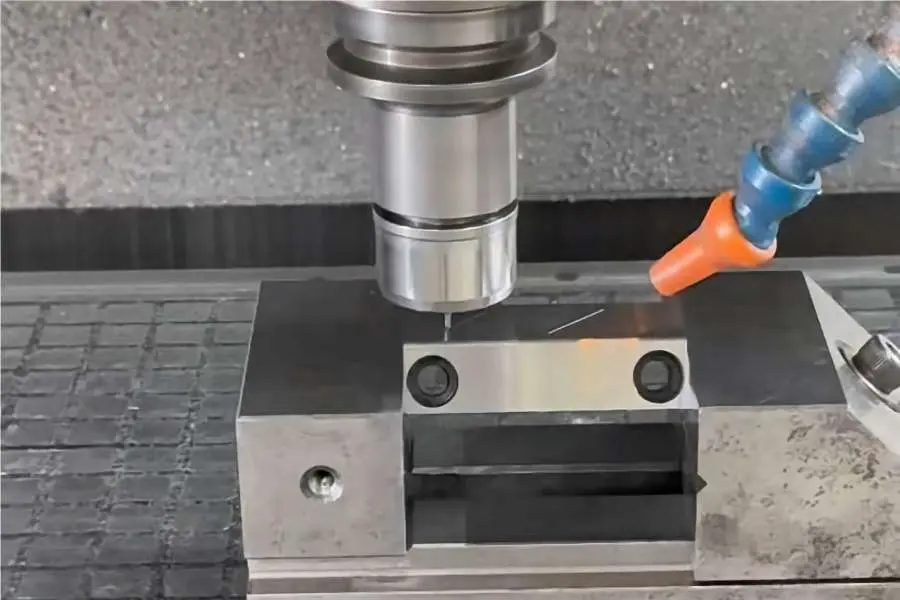
3) Ask How They Control Tolerances
For precision parts, tolerance control is often one of the most important evaluation points. A supplier should not only say tolerances can be achieved—they should be able to explain how they control the process.
Practical points to ask about include:
- How machining sequence is planned
- How fixtures are used to improve stability
- How tool wear is monitored and managed
- What inspection tools are used (gauges, CMM, etc.)
- How batch consistency is checked and maintained
A supplier that can explain these details usually has a more process-driven approach.
4) Check Communication Quality Early
Communication problems often appear before production starts. Slow replies, unclear answers, or repeated misunderstanding during quotation can be warning signs for later stages.
A stronger CNC machining supplier usually shows:
- Clear quotation feedback
- Direct answers to technical questions
- Timely confirmation of missing details
- Realistic discussion of lead time and risks
- Stable follow-up during project review
In practical sourcing work, communication quality often reflects how smoothly the full project will be managed.
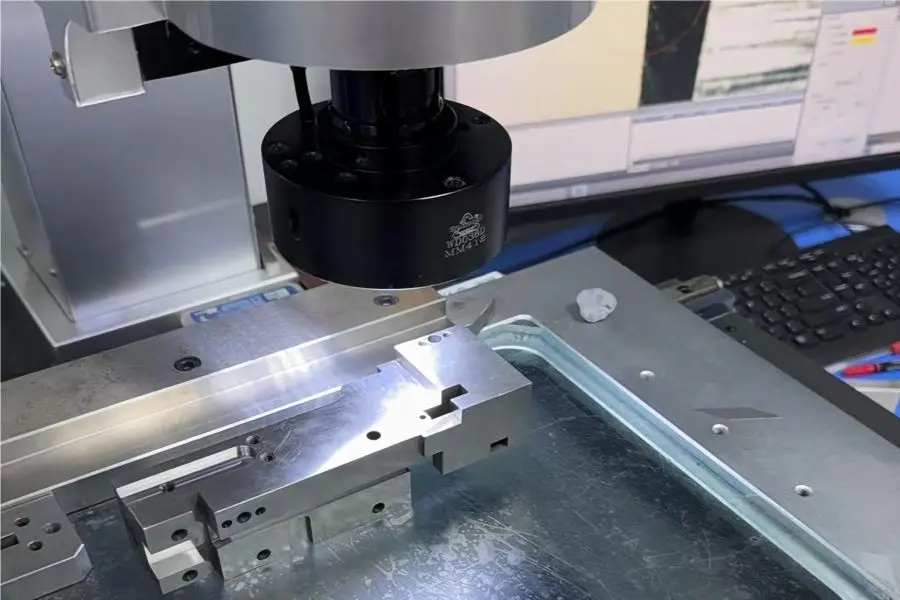
5) Understand Their Inspection Approach
A supplier that only talks about machining but not inspection may create risk for precision parts. Inspection is a key part of maintaining part accuracy—especially in repeat production.
Useful points to understand include:
- Whether in-process inspection is used
- What final inspection methods are available
- How critical dimensions are checked
- Whether sample reports can be provided
- How deviations are identified and corrected
Inspection capability is particularly important for parts with fit features, assembly interfaces, or tighter dimensional requirements.
6) Evaluate Batch Consistency, Not Just Sample Quality
A supplier may produce one acceptable sample, but the more important question is whether the same result can be maintained across the batch. For production parts, repeatability matters as much as first-piece accuracy.
It is worth discussing how the supplier manages:
- Tool wear over time
- Repeat setups and datum control
- Operator consistency
- Fixture repeatability
- Dimensional stability across multiple parts
This helps buyers understand whether the supplier can support both prototypes and ongoing production.
7) Confirm They Understand Your Application Priorities
A machining supplier does not need to know your full end product, but it helps if they understand which features matter most. A part used in assembly, sealing, or electrical contact may require different priorities.
This is why it helps to work with a supplier who asks about:
- Critical dimensions
- Surface-sensitive areas
- Material function
- Appearance requirements
- Fitted or contact features
Suppliers who ask these questions early are often better prepared to support the project accurately.
Conclusion
Evaluating a precision CNC machining supplier should involve more than price comparison. Technical understanding, material experience, tolerance control, inspection capability, communication quality, and batch consistency all matter when choosing a reliable manufacturing partner.
At Zecheng Precision Mold Company, we believe good machining support starts with understanding the real requirements behind the drawing. If you are reviewing a new CNC machining supplier, we would be glad to discuss your part data, material needs, dimensional targets, and production expectations.
What Information Should Be Prepared Before Requesting a CNC Machining Quote?
What Should Buyers Check Before Ordering Precision Machined Parts?