What Information Should Be Prepared Before Requesting a CNC Machining Quote?
A machining quote often looks simple from the outside: send a drawing, get a price, compare suppliers. In reality, quotation accuracy depends heavily on the quality of the information provided at the start. When key details are missing, the supplier has to make assumptions—and those assumptions can later lead to pricing changes, lead time adjustments, or technical mismatches.
That is why buyers usually get better results when they prepare RFQ information more completely before contacting a CNC machining supplier.
Why Better RFQ Preparation Saves Time
Incomplete RFQ information does not only slow down the supplier. It can also slow down the buyer by increasing follow-up questions, quotation revisions, and production risk later.
A better-prepared RFQ can help:
- Improve quotation accuracy
- Reduce unnecessary communication loops
- Clarify technical expectations earlier
- Make supplier comparison more meaningful
- Reduce the chance of project misunderstanding
For custom machined parts, this can make a noticeable difference in both lead time and final project quality.
1) Part Drawing or 3D File
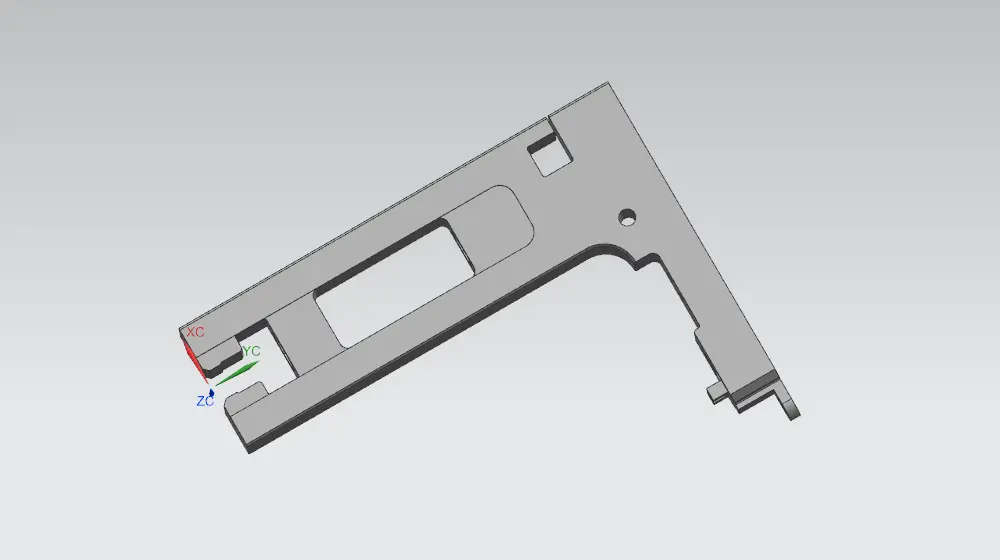
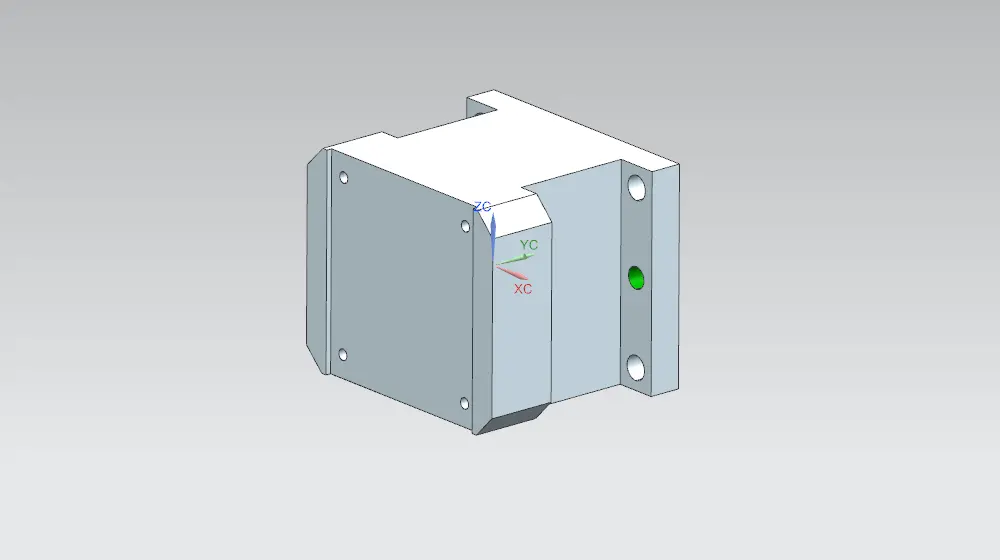
The drawing is the starting point of any machining quote. A 2D drawing defines dimensions, tolerances, holes, threads, and notes. A 3D file often makes geometry easier to review, especially for complex parts.
Helpful files may include:
- 2D drawings
- 3D model files
- Revision/version information
- Assembly references (when needed)
If only limited information is provided, a supplier may still quote, but the result may rely on assumptions rather than confirmed requirements.
2) Material Information
Material affects machining difficulty, tooling, cycle time, burr control, surface finish, and dimensional stability. Different materials should not be quoted as if they create the same manufacturing conditions.
It is useful to specify:
- Material type
- Material grade
- Whether alternatives are allowed
- Whether conductivity, corrosion resistance, or strength is important
This is especially important when the project involves aluminum, stainless steel, or copper, since each behaves differently in precision CNC machining.
3) Quantity and Production Stage
A quote for prototype quantity may differ significantly from a quote for repeat production. Setup planning, fixture preparation, inspection level, and process efficiency often depend on required quantity.
Helpful information includes:
- Sample quantity
- First batch quantity
- Expected repeat orders
- Whether the project is prototype or production stage
This helps the supplier recommend a more suitable machining approach instead of treating every RFQ the same way.
4) Tolerance Requirements
Not all dimensions need the same level of control. If the supplier is not told which dimensions are critical, the quote may not reflect the true machining difficulty or inspection workload.
It helps to identify:
- Critical dimensions
- Fitting features
- Positional relationships that matter
- Areas with tighter-than-standard tolerance
- Dimensions related to assembly function
In our experience, clearer tolerance focus usually supports both a more practical quote and a more controlled production process.
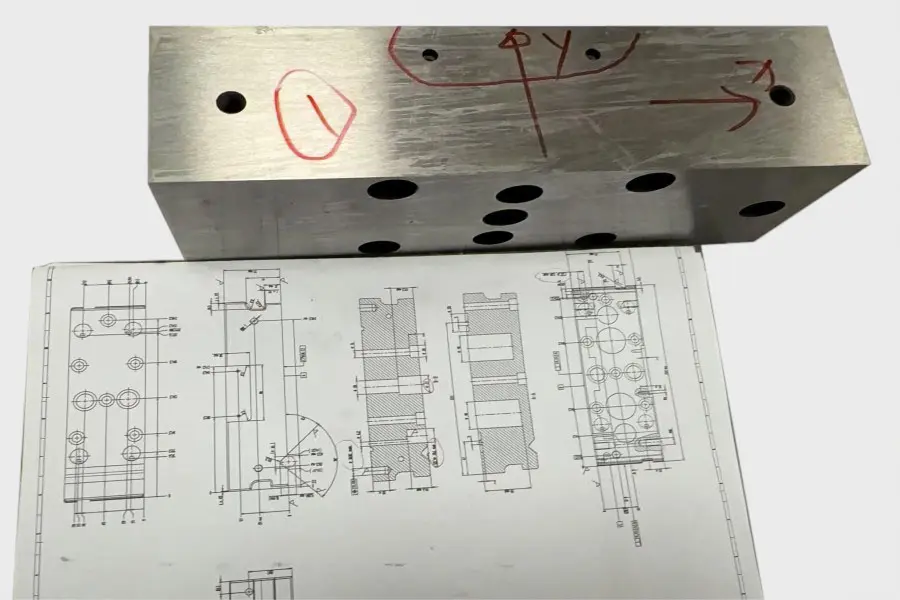
5) Surface Finish and Appearance Requirements
Some parts only require functional machining, while others need controlled appearance or surface roughness. If surface finish matters, it should be communicated clearly before quotation.
Useful information may include:
- Surface roughness requirement (if specified)
- Visible or cosmetic surfaces
- Sealing or contact surfaces
- Whether anodizing, plating, or coating will follow
- Whether burr-free edges are important
Surface requirements often affect both machining time and finishing work.
6) Thread, Hole, and Special Feature Details
Certain features may require extra attention during quotation—especially if they are critical to assembly or function.
These may include:
- Threaded holes
- Deep holes
- Fine slots
- Sharp edge requirements
- Thin-wall sections
- Precision bores
- Multiple setup features
The more clearly these details are shown, the easier it is for the supplier to evaluate manufacturing difficulty realistically.
7) Inspection Expectations
Inspection requirements should be discussed early when the part includes critical dimensions or customer-specific standards. This affects not only quality control, but sometimes quotation structure and lead time.
Helpful points may include:
- Whether key dimensions require reporting
- Whether sample measurement records are required
- Whether full inspection or sampling inspection is expected
- Whether CMM checking is needed for certain features
Inspection is part of the manufacturing process, not something separate from it.
8) Delivery and Project Expectations
Lead time is often one of the first items in quotation, but it should be considered together with technical requirements. If timing is urgent, it helps to state that clearly while also confirming quality priorities.
Other useful details may include:
- Requested delivery target
- Destination (if shipping affects planning)
- Packaging expectations
- Whether repeat production is likely
- Whether design changes may still happen
This helps the supplier provide a more realistic quotation instead of a generic one.
Conclusion
A stronger CNC machining quote usually starts with better project preparation. Drawings, material information, quantity, tolerance focus, surface requirements, inspection expectations, and delivery priorities all help define the real scope of work.
At Zecheng Precision Mold Company, we believe quotation accuracy depends on understanding the part before production begins. If you are preparing an RFQ for custom machined parts, we would be glad to review your drawing, material, dimensional requirements, and project expectations to support a more practical quotation process.
Common Communication Mistakes in Custom Manufacturing Projects and How to Avoid Them
How to Evaluate a Precision CNC Machining Supplier