What Should Buyers Check Before Ordering Precision Machined Parts?
Introduction
Ordering precision machined parts is not only about requesting a price and confirming delivery. To achieve stable quality and avoid repeated communication, buyers should review several key points before production begins. When project information is incomplete, it becomes harder for a supplier to evaluate machining difficulty, tolerance risk, inspection needs, and the most suitable manufacturing approach.
From our experience, better preparation before ordering usually leads to smoother communication, fewer revisions, and more reliable production results. A clear purchase process also helps reduce the risk of delays, misunderstandings, and unexpected cost changes.
Quick Guide (3 lines):
- Confirm the “must-have” requirements first: material, key tolerances, and finish-critical surfaces.
- Make inspection expectations clear early to avoid mismatch after production.
- Good suppliers reduce risk by asking the right questions before machining starts.
Why Early Review Matters
Precision CNC machining projects often involve connected requirements. Material choice, tolerance level, surface finish, quantity, geometry, and inspection expectations all influence how parts should be manufactured.
When buyers confirm these points early, it becomes easier to:
- Prepare a more accurate quotation
- Match the machining process to the real part requirement
- Reduce clarification loops before production
- Improve dimensional and cosmetic consistency
- Support smoother delivery planning
1) Check Whether the Drawing Is Complete
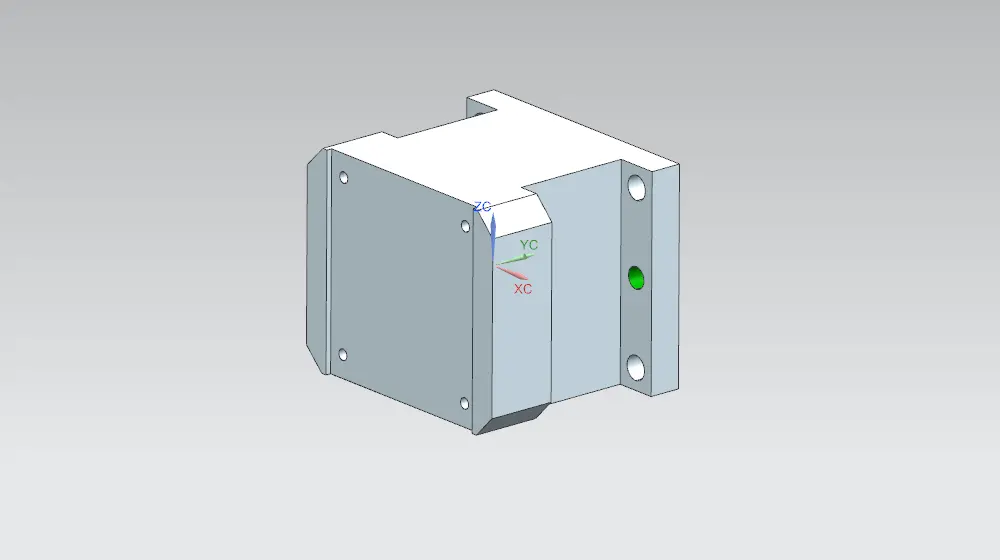
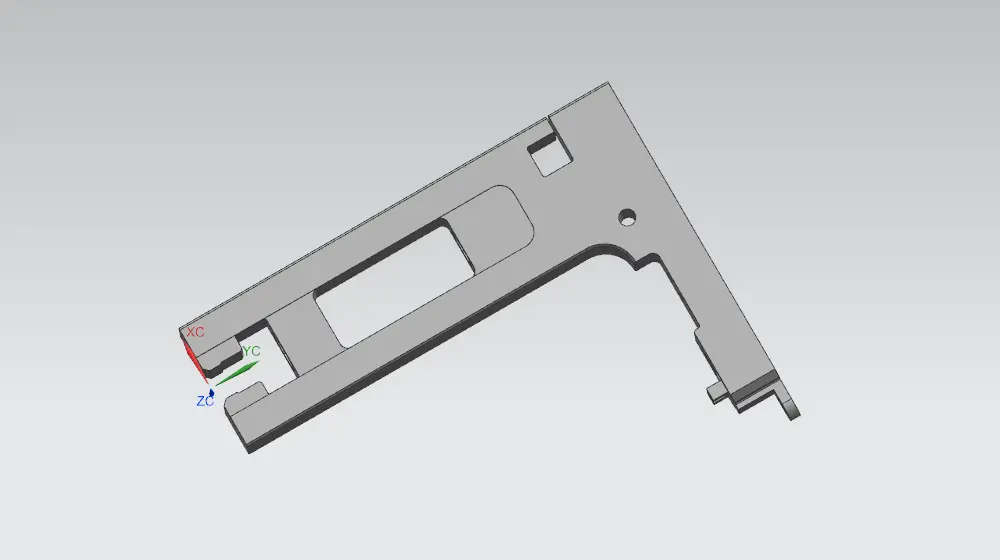
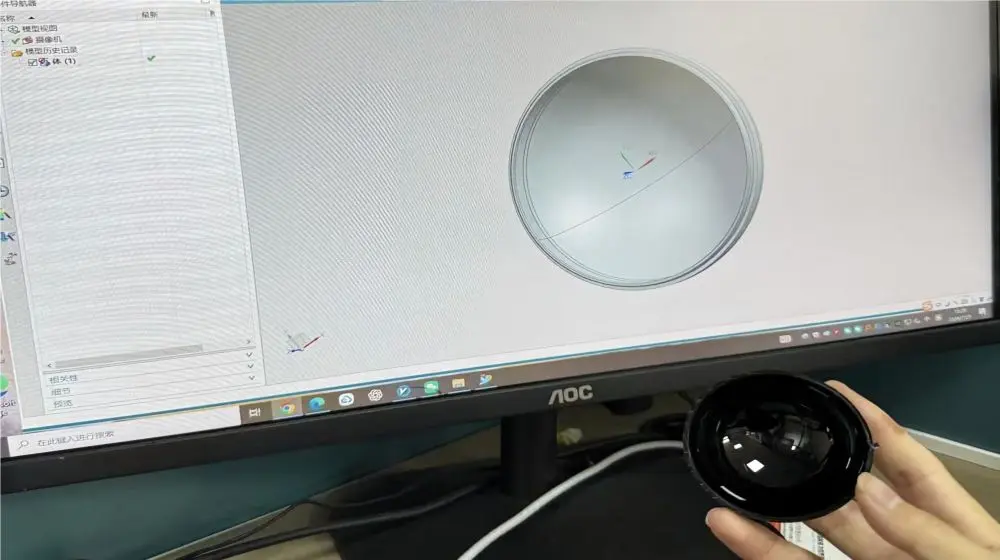
The drawing or 3D file is the starting point for any precision machining order. If the data is incomplete—missing dimensions, unclear tolerances, or inconsistent notes—confusion can occur during quotation and production.
Before placing an order, it is useful to confirm whether the drawing clearly shows:
- Critical dimensions and key features
- Datums (when needed)
- Material specification
- Surface finish notes
- Thread requirements
- Special features or assembly-related areas
In our review process, complete part data is one of the most important factors for making the project practical from the beginning.
2) Confirm the Material Clearly
Material affects machining behavior, dimensional stability, tool wear, surface finish, and total cost. Aluminum, stainless steel, copper, and other metals do not behave the same way during machining.
It is helpful to confirm:
- Material grade (and standard, if applicable)
- Whether substitutes are allowed
- Hardness/condition when relevant
- Any special requirements (conductivity, corrosion resistance, strength)
When material requirements are clear, the supplier can plan tooling and machining strategy more reliably.
3) Identify Critical Tolerances
Not every dimension has the same importance. Some sizes are general references, while others directly affect assembly, sealing, motion, or product function.
Before ordering, buyers should identify:
- Critical tolerance areas
- Assembly-related features
- Fit-related holes or shafts
- Flatness/parallelism needs (if required)
- Whether the tolerance applies to all features or only key areas
Clear tolerance focus helps avoid over-processing non-critical areas while giving proper attention to what matters most.

4) Clarify Surface Finish Expectations
Surface finish affects both appearance and function. Some parts only need a standard machined finish, while others require smoother surfaces for sealing, cosmetic appearance, or coating adhesion.
It is useful to define:
- Whether appearance is important
- Surface roughness requirement (if applicable)
- Whether burr-free edges are required
- Whether post-processing is needed (polishing, anodizing, plating, coating)
This helps align machining and finishing steps with the real product need.
5) Review Quantity and Production Stage
Quantity influences process planning, fixture preparation, inspection approach, and overall cost. A prototype order and a repeat batch order are often handled differently.
Buyers should clarify:
- Sample quantity and batch quantity
- Whether repeat orders are expected
- Whether the order is for testing, assembly trial, or ongoing production
When we understand the project stage, it becomes easier to recommend a suitable machining and inspection approach.
6) Ask About Inspection and Quality Records
Inspection expectations should be discussed before ordering—not only after parts are finished. Different projects require different levels of checking or reporting.
It is helpful to confirm whether the project needs:
- Basic dimensional inspection
- Inspection of key dimensions (100% or sampling)
- Material certificates (if required)
- Surface finish checks (when relevant)
- Inspection reports for critical features
This prevents a mismatch between customer expectations and the supplier’s standard inspection scope.

7) Evaluate Supplier Communication and Technical Feedback
A good machining supplier does not only accept the order—they identify unclear areas before production starts. Questions about geometry, tolerance, material, or finish should be treated as part of responsible project review.
Signs of a reliable supplier often include:
- Clear quotation feedback
- Timely technical questions
- Practical comments on manufacturability
- Realistic lead time planning
- Clear understanding of priority requirements
Early technical communication is one of the most effective ways to reduce production risk.
8) Check Delivery, Packaging, and Follow-Up Expectations
Ordering machined parts also involves practical details beyond machining. Delivery timing, packaging protection, labeling, and follow-up handling can affect the final project result.
Before confirming the order, it is useful to review:
- Required delivery date
- Packaging protection needs (scratch/impact prevention)
- Labeling or identification requests
- Whether spare parts or repeat orders may follow
- How nonconforming issues will be handled if they occur
These details may seem simple, but they often impact project smoothness more than expected.
Conclusion
Before ordering precision machined parts, buyers should review the drawing, material, critical tolerances, surface finish, quantity, inspection expectations, supplier communication, and delivery details. A well-prepared order usually leads to a more accurate quotation, smoother production, and more reliable part quality.
At Zecheng Precision Mold Company, we believe good machining results start with clear project understanding. If you are preparing a new precision CNC machining order, we would be glad to discuss your drawing, material, tolerance, finish, and production requirements to support a smoother purchasing process.
How to Evaluate a Precision CNC Machining Supplier
How to Choose a Reliable Injection Mold Supplier