Injection Mold Steel Selection: How to Choose the Right Steel for Your Mold
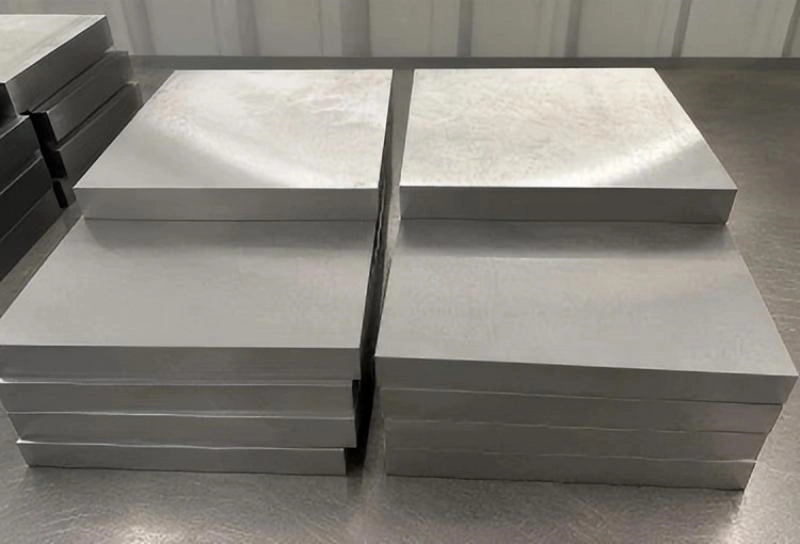
Choosing the right mold steel is one of the most important steps in injection mold manufacturing. In our projects, steel selection often comes up early—usually when we review the part file, plastic material, and expected production volume. From our experience, steel choice affects not only upfront mold cost, but also mold life, machining stability, polishing results, corrosion resistance, and long-term production consistency. When the steel matches the application, molds tend to run smoothly with fewer maintenance interruptions. When it does not, early wear, surface issues, and higher lifetime cost become more likely.
Many customers understandably focus first on price and lead time. However, steel selection has a direct influence on both. A lower-cost steel can be acceptable for short-run programs, while it may be the wrong choice for a mold expected to run high volumes. For that reason, steel should be selected based on real molding conditions and project requirements—not price alone.
Key Takeaways
- Steel selection affects mold life, stability, polishing results, and long-term maintenance cost.
- Match steel choice to plastic material, volume, surface requirement, and corrosion risk.
- Short-run and high-volume molds should not follow the same steel strategy.
Quick Guide (3 lines):
- Short runs / general parts: practical pre-hardened steels are often sufficient (e.g., P20-type).
- Higher volume / higher wear: consider steels with stronger wear resistance and durability (e.g., H13-type).
- Corrosion or high polish needs: corrosion-resistant steels are often considered (e.g., S136-type).
Why Mold Steel Matters
During injection molding, the mold is exposed to pressure, temperature changes, friction, and repeated production cycles. The steel needs to maintain dimensional stability and surface quality over time. If the steel is too soft, the cavity and core can wear faster. If corrosion resistance is insufficient, certain plastics (or moisture in the environment) may attack the cavity surface. And if polishing performance is limited, molded parts may not achieve the required appearance.
In practical terms, suitable mold steel selection helps support:
- Mold life
- Dimensional accuracy
- Surface finish quality
- Maintenance frequency
- Production stability
Common Mold Steels Used in Injection Mold Manufacturing
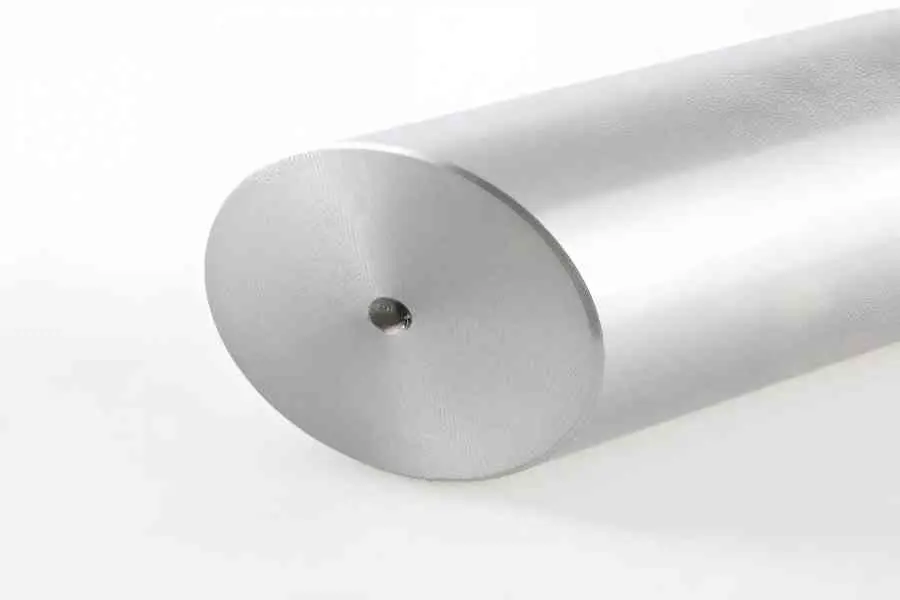
P20
P20 is widely used as a practical pre-hardened steel for general plastic parts and medium-volume production. It typically offers good machinability and cost efficiency, making it suitable for many standard molds when matched to the program requirements.
H13
When a project requires higher durability, stronger wear resistance, or improved heat resistance, H13 is often considered. It can be a good option for longer production runs or more demanding molding conditions where thermal stability matters.
S136
For projects that need corrosion resistance and strong polishing performance, S136 is often selected. It is commonly used for transparent parts, cosmetic surfaces, or plastics that may increase corrosion risk.
718 or Similar Improved Pre-Hardened Steels
Compared with basic P20-type materials, 718-type steels typically provide more stable hardness and improved polishing behavior. They are often used when a project needs a balance between cost, surface quality, and mold life—especially for larger molds or more appearance-sensitive applications.
Key Factors We Consider When Choosing Mold Steel
1) Plastic Material
Different plastics place different demands on the mold. Glass-filled plastics can increase wear on the cavity and core. Some materials may also release corrosive substances during processing. This is why plastic material is one of the first items we confirm during project review, along with whether the resin contains glass fiber, flame retardants, or other additives.
As a quick guideline:
- Glass-filled plastic: stronger wear resistance is usually needed
- Transparent plastic: better polishing performance is often required
- Corrosive material (such as PVC): corrosion-resistant steel should be considered
2) Production Volume
Expected production quantity is one of the most practical drivers in steel selection. For lower volumes, a more economical steel may be suitable. For long-term mass production, higher-grade steel can provide better overall value by reducing repair frequency, polishing loss, and downtime.
A mold designed for a few thousand shots and a mold designed for hundreds of thousands of shots should not follow the same steel strategy.
3) Surface Finish Requirement
If the part requires high gloss, optical transparency, or a cosmetic appearance, polishing capability becomes more important. In our experience, this is also the point where we confirm which areas are cosmetic surfaces and what the finish expectation is (gloss level, texture, or optical clarity). These details affect both steel choice and finishing workload.
For standard industrial parts, this may be less critical. But for consumer products, medical housings, and transparent parts, steel selection can directly affect the final appearance.
4) Corrosion Resistance
Corrosion can shorten mold life and impact part quality. This becomes more important when the plastic material, environment, or cooling conditions increase rust risk or chemical attack. In these situations, corrosion-resistant steels help maintain a more stable long-term production surface.
5) Machinability and Lead Time
Machinability affects manufacturing efficiency and schedule control. Some steels are easier to machine, while others require more careful processing, heat treatment, or polishing. When lead time is critical, machinability should be considered as part of the evaluation.
That said, steel selection should not be based only on machinability. It is one factor balanced against performance requirements and mold life expectations.
Balancing Cost and Long-Term Value
Steel selection should not be treated as a simple low-cost versus high-cost decision. The better question is whether the steel matches the project’s molding conditions and expectations.
Choosing a low-cost steel for a high-volume mold may reduce upfront cost, but it can lead to faster wear, more maintenance, and production inconsistency later. On the other hand, using premium steel for a short-run mold may not always be necessary.
A balanced decision usually considers:
- Product material
- Annual production volume
- Appearance requirements
- Dimensional tolerance and fit
- Maintenance expectations
- Overall budget
Conclusion
Choosing the right mold steel is a key part of a successful injection mold project. In our experience, a suitable steel choice supports mold life, production stability, surface quality, and overall efficiency. Instead of selecting steel only by price, it is better to evaluate real molding conditions and product requirements.
If you are planning a new mold project, Zecheng Precision Mold Company can support discussions on mold structure, steel selection, and manufacturing considerations based on your production needs.
5 Key Factors That Affect Injection Mold Quality