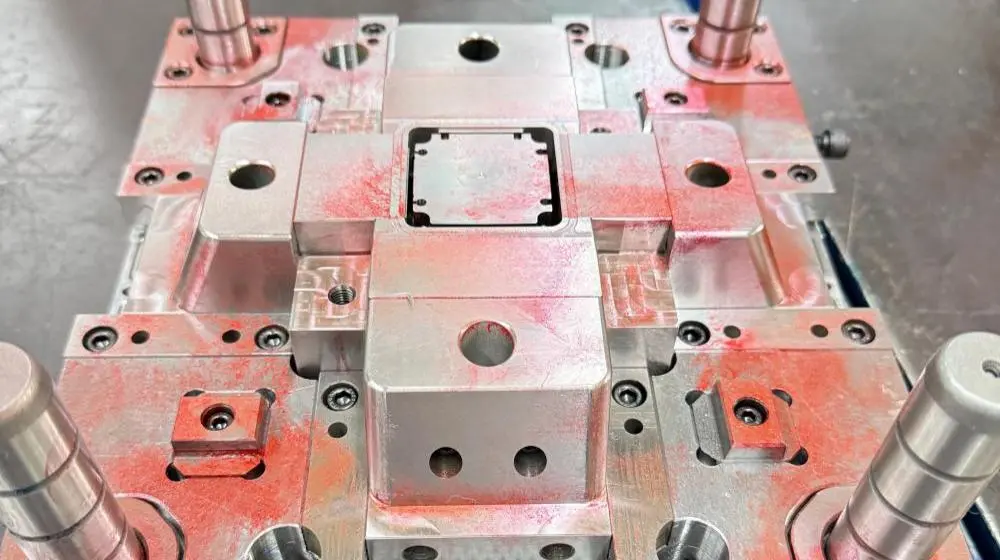
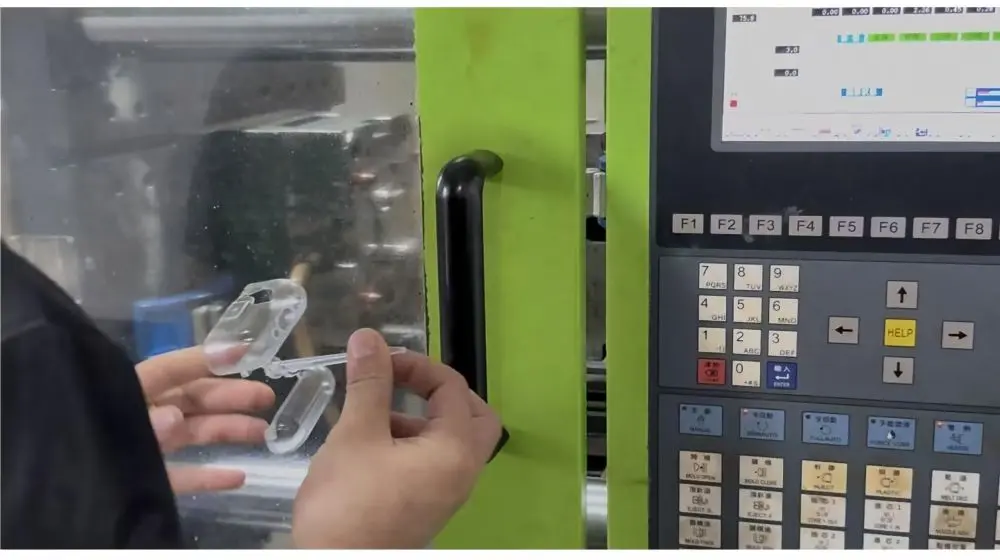
Why Mold Maintenance Matters in Mass Production
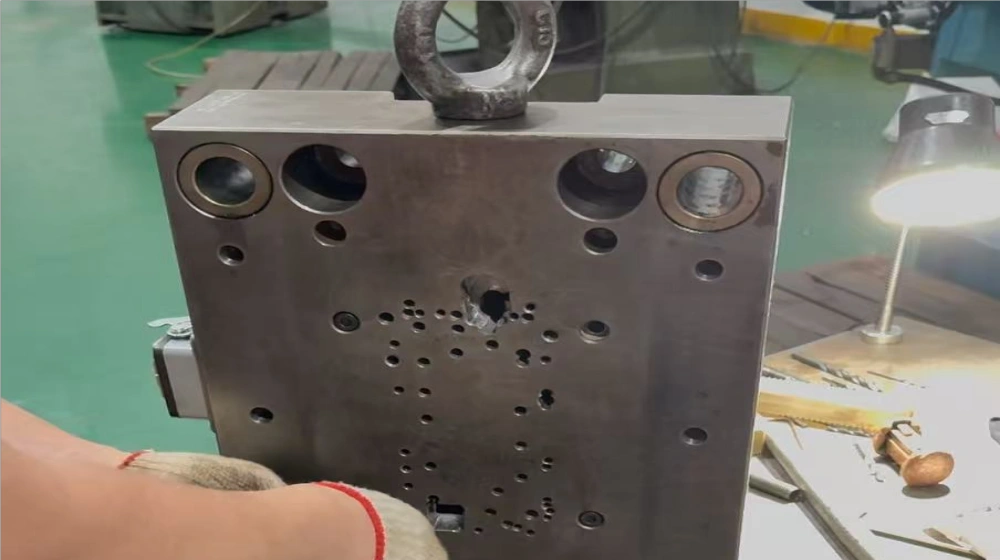
Introduction
In mass production, mold maintenance is not only a support task. It is a practical part of keeping production stable, maintaining part quality, and protecting the long-term value of the mold. Even a well-built mold can gradually develop issues if maintenance is ignored—especially when production volume is high or molding conditions are demanding.
From our experience, mold maintenance should be treated as part of normal production control rather than something done only after defects appear. A preventive maintenance approach often reduces downtime, avoids larger repairs, and supports more consistent production performance.
Why Maintenance Matters
During repeated production cycles, the mold is exposed to pressure, heat, friction, cooling water, resin residue, and repeated movement in sliders, lifters, ejector systems, and shut-off areas. Even with good design and accurate machining, wear and contamination can gradually build up if these areas are not checked regularly.
Good mold maintenance helps support:
- More stable part quality
- Lower risk of flash and sticking
- Better dimensional consistency
- Reduced unexpected downtime
- Longer mold service life
1) It Helps Keep Part Quality Stable
When a mold begins to wear or collect residue, the first signs often appear on the molded part. Flash, sticking, dimensional drift, poor venting, and surface defects can become more noticeable over time.
Regular maintenance reduces these risks by keeping key mold areas in a stable condition. In long-running programs, maintenance is closely linked to consistent part quality—not only to mold protection.
2) It Reduces Unexpected Production Stops
One of the biggest risks in mass production is unplanned downtime. If a mold issue is discovered only after a visible failure, production may stop at the worst possible time.
Routine checks can help identify problems earlier, such as:
- Wear in shut-off areas
- Slower or unstable slider/lifter movement
- Blocked vents
- Cooling performance issues
- Early fitting changes in moving components
Finding these issues early is usually far more efficient than stopping an entire line later for urgent repair.
3) It Protects Moving Components
Many mold problems start in moving areas because these components experience repeated motion and friction. Sliders, lifters, ejector systems, guide elements, and return mechanisms all require regular attention.
Maintenance in these areas often includes:
- Cleaning contact surfaces
- Checking for abnormal wear or scoring
- Confirming movement smoothness and timing
- Reapplying lubrication where needed
- Reviewing alignment and return action
Small wear changes in moving components can gradually affect overall mold performance if they are not corrected in time.

4) It Helps Maintain Venting and Cooling Performance
Venting and cooling are easy to overlook during daily production, but they have a direct influence on molding stability. If vents become blocked or cooling channels lose efficiency, defects and cycle instability become more likely.
A practical routine may include checking:
- Vent cleanliness and air release condition
- Cooling channel condition and flow stability
- Hot spot behavior during production
- Water leakage or flow restrictions
- Whether cooling performance remains balanced
When venting and cooling are kept in good condition, the mold is more likely to run consistently over long cycles.

5) It Supports Longer Mold Life
Mold service life depends on design, steel selection, machining accuracy, production conditions, and maintenance. Even a strong mold can lose life faster if wear-prone areas are not cleaned, lubricated, inspected, or repaired at the right time.
In our experience, preventive maintenance extends mold life mainly by reducing the chance that small wear problems develop into larger structural damage.
6) It Helps Control Long-Term Cost
Some manufacturers delay maintenance to avoid short-term interruption, but this often increases total cost later. Larger repairs, part scrap, machine stoppage, and schedule pressure can become more expensive than planned maintenance.
A more practical cost view should include:
- Maintenance time
- Repair cost
- Production downtime risk
- Part rejection risk
- Mold replacement timing
In many projects, maintenance is one of the most cost-effective ways to protect tooling investment.
7) It Improves Production Predictability
In mass production, stable output depends on repeatable mold condition. If mold performance changes without control, the process becomes less predictable and more difficult to manage.
Regular maintenance improves predictability by keeping the mold in a known working condition. This is especially important for parts with cosmetic requirements, tight tolerances, or continuous delivery schedules.
8) It Makes Corrective Action More Efficient
When maintenance records are kept and wear-prone areas are checked regularly, corrective action becomes more targeted. Instead of reacting to unclear symptoms, the team can compare current mold condition with past findings and make more practical decisions.
Useful maintenance records may include:
- Wear locations and progression
- Cleaning frequency
- Lubrication points and intervals
- Repair history
- Recurring production issues
- Component replacement timing
Clear records help improve troubleshooting speed and also support better long-term mold planning.
Conclusion
Mold maintenance matters in mass production because it supports part quality, reduces unexpected downtime, protects moving components, preserves venting and cooling performance, extends mold life, and improves long-term cost control.
At Zecheng Precision Mold Company, we view mold maintenance as part of stable manufacturing—not only as a repair activity after problems appear. If your project involves long-running injection mold production, we would be glad to discuss maintenance planning, wear risk areas, and practical ways to improve long-term production stability.
How Injection Mold Design Supports Stable Continuous Production
What Is the Difference Between Prototype Mold and Production Mold?