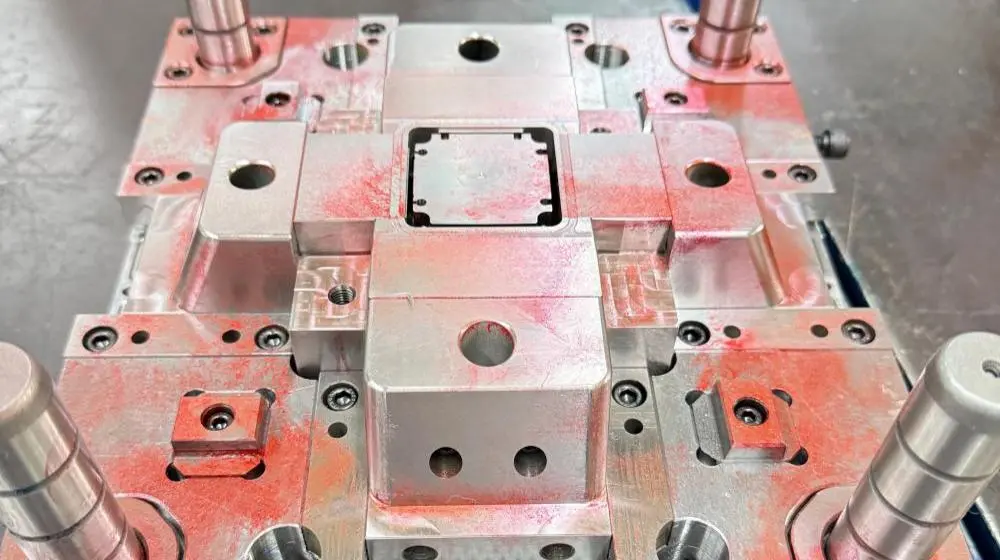
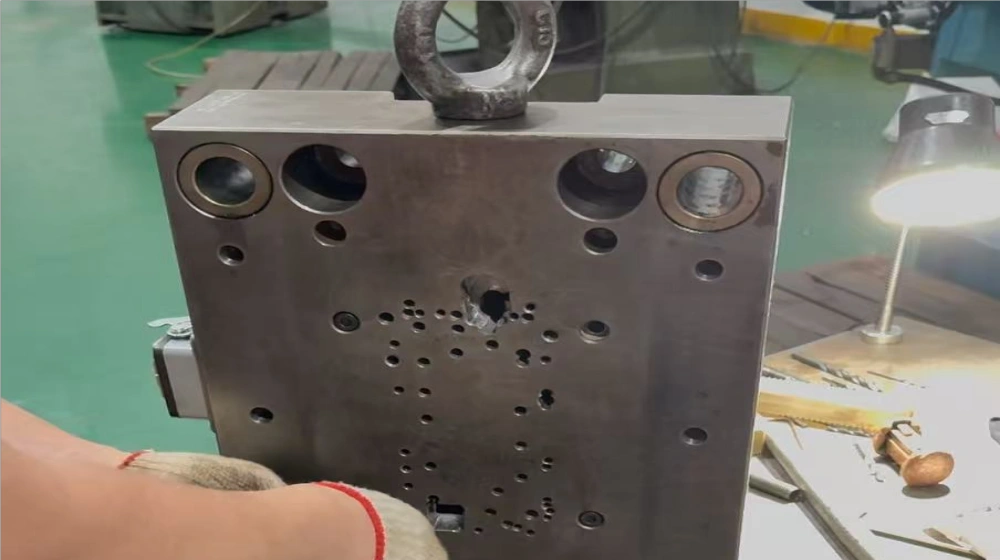
What Should Be Checked During Mold Trial?
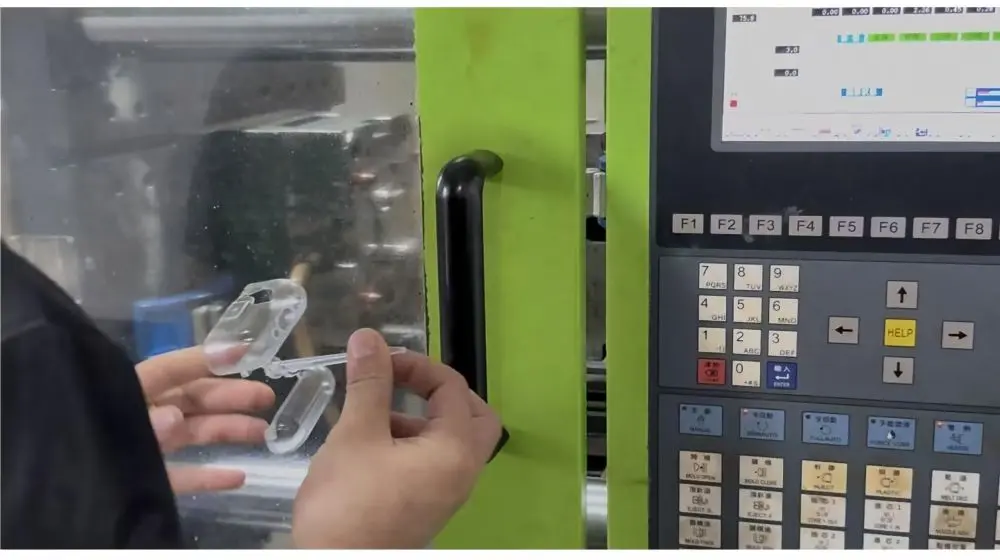
Introduction
Mold trial is one of the most important stages in an injection mold project. It is where mold design, manufacturing quality, and actual molding performance come together in a real production test. A mold may look complete after assembly, but only a proper trial can confirm whether it is ready for stable production.
From our experience, mold trial should not be treated as a simple sample-making step. It is a practical evaluation process used to confirm mold performance, identify improvement points, and reduce future production risk. A careful trial often saves time later by exposing issues before the mold enters normal production.
Why Mold Trial Matters
The purpose of a mold trial is not only to produce parts. It is also to verify whether the mold can run properly and whether molded parts can meet appearance, dimensional, and functional expectations.
A well-managed mold trial helps support:
- Earlier detection of mold-related issues
- Better understanding of molding performance
- More efficient correction before delivery
- Reduced production risk after shipment
- More stable readiness for mass production
For both mold manufacturers and customers, mold trial is a key step in turning a completed mold into a reliable production tool.
1) Filling Condition
One of the first items to check during trial is whether the cavity can fill correctly and consistently. Poor filling may indicate issues in gate design, venting, runner balance, material condition, or process window.
During trial, it is useful to observe:
- Whether the cavity fills completely
- Whether short shots occur
- Whether filling is balanced in multi-cavity molds
- Whether there are signs of air trapping
- Whether the gate location supports stable filling
Filling performance is one of the clearest early signals of whether the mold design is working as intended.
2) Part Appearance
Appearance should be reviewed carefully, especially for parts with cosmetic requirements. A part may be fully filled but still show surface defects that affect acceptance or later assembly.
Common items to check include:
- Flash
- Sink marks
- Burn marks
- Weld lines
- Flow marks
- Gloss consistency
- Texture quality (if applicable)
In our trial work, appearance evaluation is often a main priority when the product has visible surfaces.
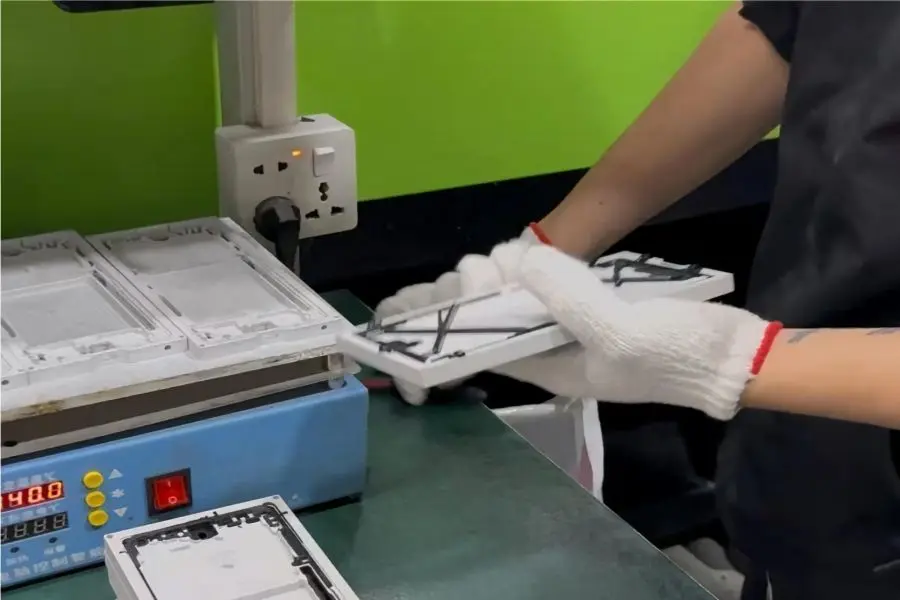
3) Dimensional Results
A trial should also include dimensional review, especially for assembly-related and function-critical areas. Not every dimension needs the same attention, so it is usually more efficient to focus first on key dimensions.
Items to review may include:
- Critical dimensions and fit features
- Wall thickness consistency
- Shrinkage-related size change
- Repeatability across several samples
- Differences between cavities (for multi-cavity molds)
Dimensional checking confirms whether the mold and process can support the required part accuracy.
4) Ejection Performance
A mold may produce a good-looking part, but if ejection is unstable, production efficiency and part quality can still suffer. Sticking, uneven ejection, and surface damage during release are all warning signs.
During trial, it is useful to check:
- Whether the part ejects smoothly
- Whether sticking occurs on core or cavity
- Whether ejector marks are acceptable
- Whether ejection is balanced
- Whether performance remains stable over repeated cycles
Ejection performance is especially important for deep parts, textured parts, and products with sensitive surfaces.
5) Cooling Performance and Cycle Stability
Cooling directly affects cycle time, dimensional stability, and warpage. During trial, it is important to observe whether the cooling layout supports stable production—not only whether the mold can run once.
Points to review include:
- Whether cooling is balanced across the part
- Whether hot spots appear in specific areas
- Whether warpage changes as cycle conditions change
- Whether cycle stability is acceptable for the target output
- Whether cooling influences appearance or key dimensions
A mold that performs well only under a narrow set of conditions may still need improvement before regular production use.
6) Mold Action and Mechanical Operation
Trial is also the time to confirm whether the mold itself runs smoothly. This includes moving actions, guiding, positioning, and shut-off performance.
Mechanical checks may include:
- Slider movement and timing
- Lifter action and clearance
- Return system reliability
- Guiding and alignment stability
- Venting condition
- Shut-off performance and wear risk
If these areas are not stable, small mechanical issues can grow into maintenance or production problems later.
7) Repeatability Across Multiple Cycles
One acceptable sample is not enough to confirm mold readiness. A trial should also show whether the mold can produce consistent results across continuous cycles.
Repeatability checks may include:
- Consistency of part appearance
- Dimensional stability across samples
- Stability of ejection performance
- Repeatability of filling condition
- Consistency between cavities (if applicable)
In our experience, repeatability is one of the most practical indicators that a mold is approaching stable production condition.
8) Trial Records and Improvement Actions
A mold trial should produce clear records, not only sample parts. Without proper records, it becomes harder to identify root causes or prioritize the next improvement actions.
Useful trial records may include:
- Molding conditions used during trial
- Photos of defects or concern areas
- Dimensional data from key features
- Notes on ejection and cooling behavior
- Proposed correction items
- Priority and timeline for follow-up actions
Well-organized trial feedback makes later adjustments more efficient and reduces unnecessary repeat trials.
Conclusion
Mold trial should evaluate more than whether parts can simply be produced. Filling condition, part appearance, dimensions, ejection, cooling performance, mechanical operation, repeatability, and trial records all play an important role in confirming mold readiness.
At Zecheng Precision Mold Company, we treat mold trial as a key part of responsible mold manufacturing because it helps identify issues before regular production begins. If you are preparing a new injection mold project, we would be glad to discuss trial priorities, part requirements, and production expectations to support a smoother project launch.
What Is the Difference Between Prototype Mold and Production Mold?
How to Shorten Mold Lead Time Without Sacrificing Quality