5 Key Factors That Affect Injection Mold Quality
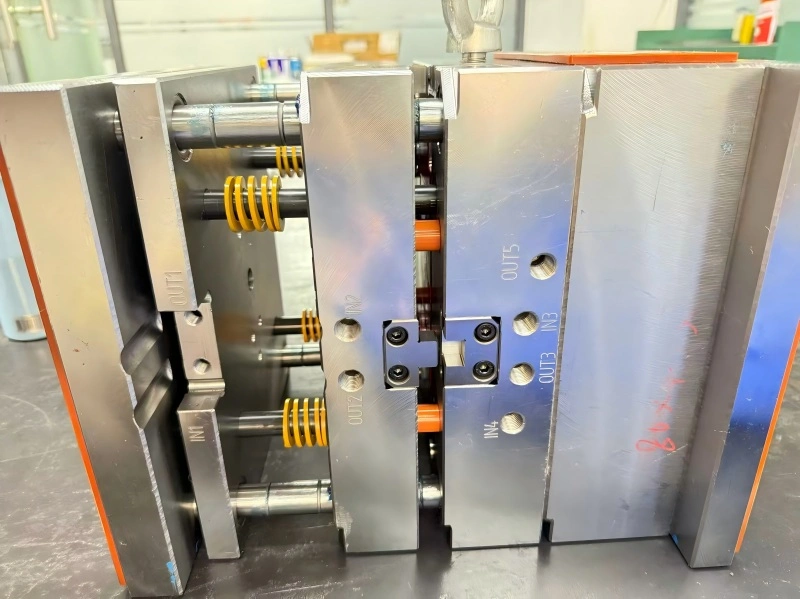
Injection mold quality has a direct impact on product consistency, production efficiency, maintenance cost, and mold service life. A well-made mold supports stable molding performance and repeatable part quality over long production cycles. A poorly controlled mold, however, may lead to flash, dimensional variation, frequent repair, or production downtime.
For this reason, mold quality should not be judged by appearance alone. It is the result of several connected factors throughout the manufacturing process. From design to material selection to final testing, every step plays a role.
Quick Guide (3 lines):
- Good mold quality starts with a practical design (cooling, venting, gating, ejection).
- It is protected by proper steel selection + accurate machining + correct heat treatment.
- It is confirmed by assembly, trial, and inspection, not by machining alone.
Below are five key factors that affect injection mold quality.
1) Mold Design
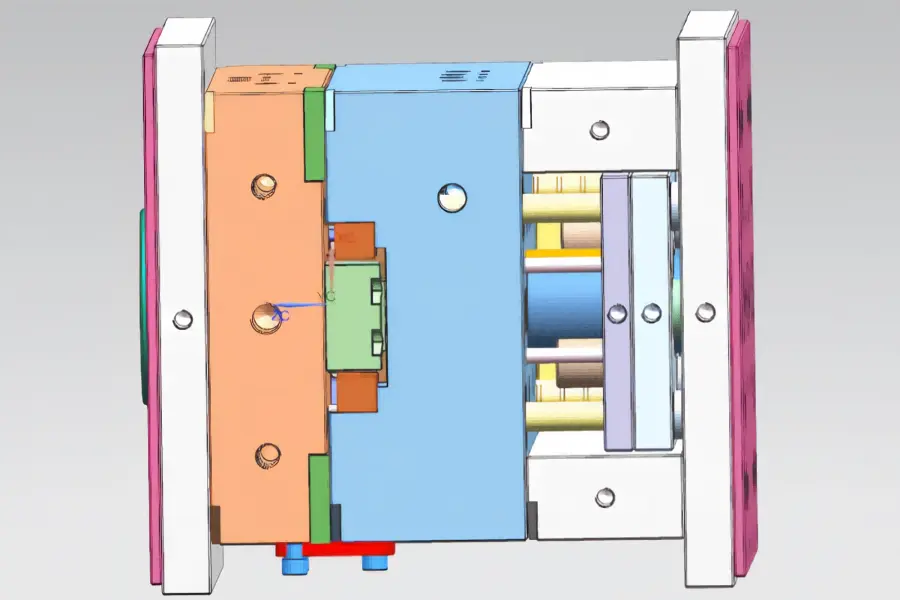
Mold quality begins with design. Even if machining and assembly are done well, an unsuitable design can still create problems in production.
A practical mold design typically considers:
- Part structure
- Gate location
- Runner layout
- Cooling system
- Ejection method
- Venting
- Mold strength and maintainability
For example, unbalanced cooling can cause warpage or longer cycle time. Poor venting may lead to burn marks or short shots. An unsuitable gate design can affect filling, appearance, or deformation.
A good mold design is not only about forming the part shape. It should also support stable molding, easier maintenance, and efficient production.
2) Mold Steel Selection
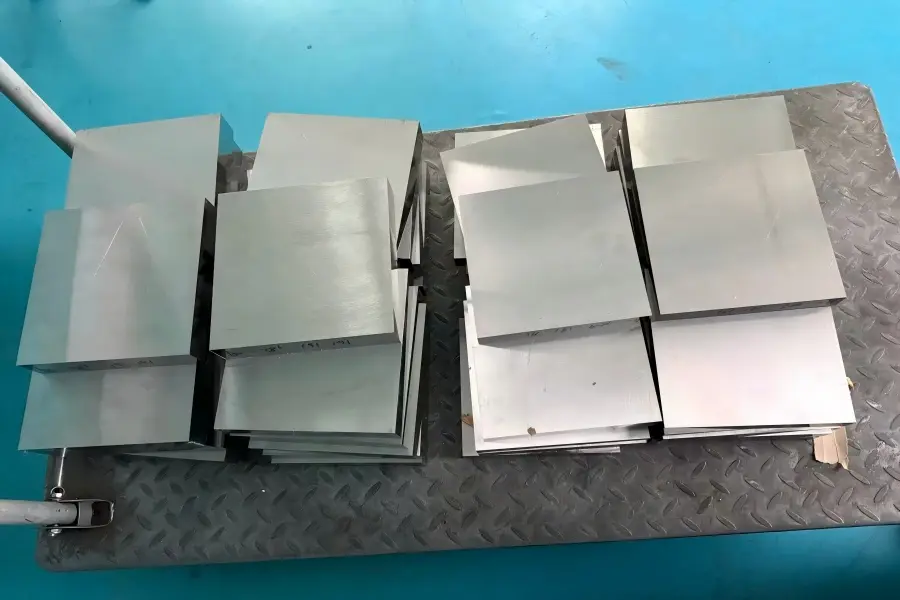
Steel selection is another major factor in mold quality. The chosen material influences wear resistance, polishing performance, dimensional stability, corrosion resistance, and mold life.
Different projects require different steel strategies. For short runs, pre-hardened steels such as P20 are often a practical choice due to cost and machinability. For high-volume production, steels like H13 are commonly considered for improved wear resistance and durability.
Parts with cosmetic surface requirements may need steel with better polishing capability. Corrosive plastics may require more corrosion-resistant steel.
If the mold steel does not match the application, problems may appear later, including:
- Faster cavity wear
- Unstable dimensions
- Surface defects
- Rust or corrosion
- More frequent maintenance
Good mold quality depends not only on accurate machining, but also on selecting a suitable material for the real production environment.
3) Machining Accuracy
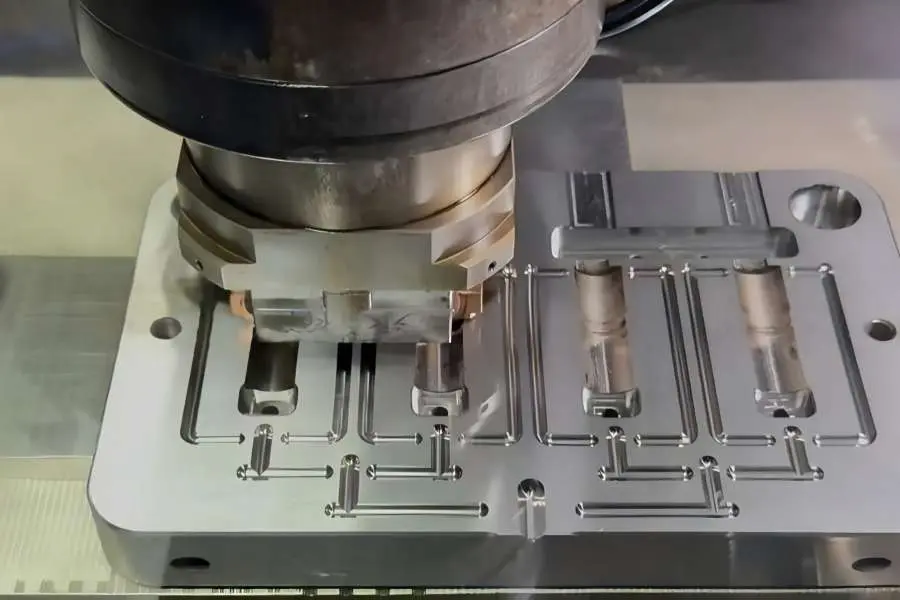
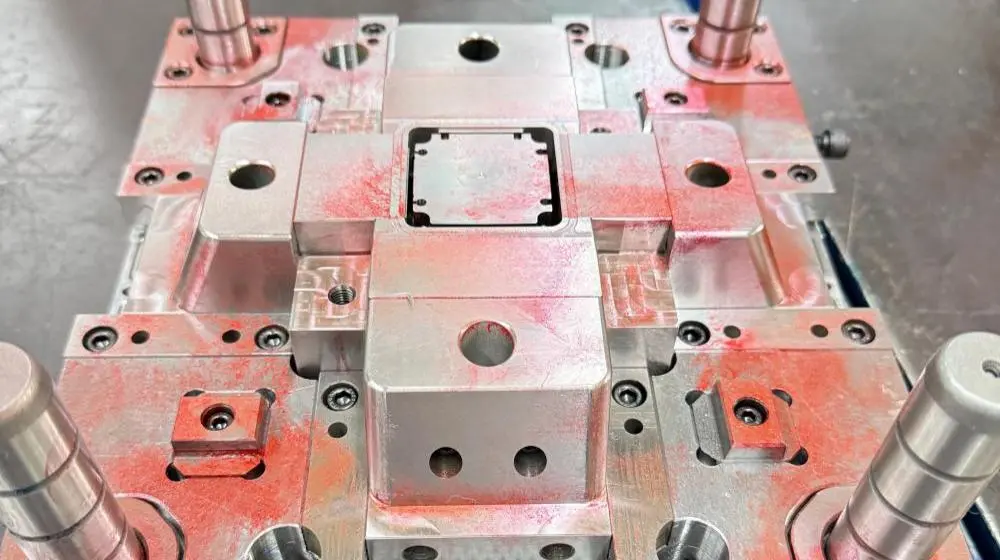
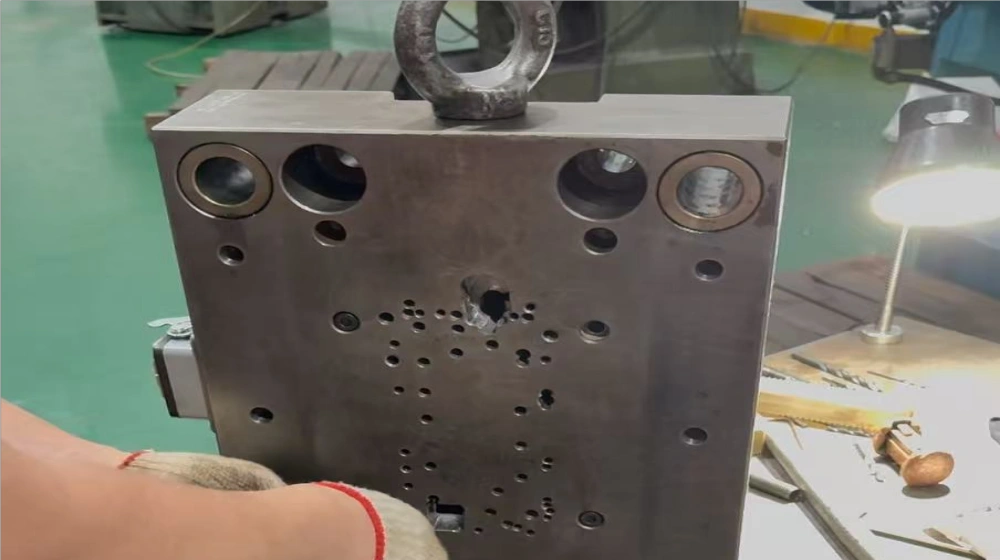
Precision machining is one of the most visible parts of mold manufacturing, and it strongly affects final mold quality. Cavity and core dimensions, fitting surfaces, inserts, sliders, lifters, and shut-off areas all require careful control.
Poor machining accuracy may lead to:
- Part dimensions out of tolerance
- Mismatch lines
- Flash
- Assembly problems
- Unstable mold action
High-quality mold manufacturing typically depends on controlled machining processes, stable equipment, and inspection at key stages. In many projects, final part accuracy is closely related to how well mold components are machined and fitted.
This is especially important for molds with tight tolerance requirements or complex structures.
4) Heat Treatment and Hardness Control
Heat treatment is often a critical but underestimated factor. If it is not properly controlled, the steel may deform, crack, or lose dimensional stability. Hardness that is too low may reduce wear resistance, while unsuitable treatment may create internal stress or make later finishing more difficult.
In some mold projects, heat treatment is used to improve durability and strength. However, this process must match the steel type, mold structure, and dimensional requirements.
Important considerations include:
- Hardness consistency
- Deformation control
- Stress relief
- Compatibility with later finishing or polishing
Without proper control in this step, even a well-machined mold may face quality risks during assembly or production.
5) Assembly, Testing, and Final Inspection
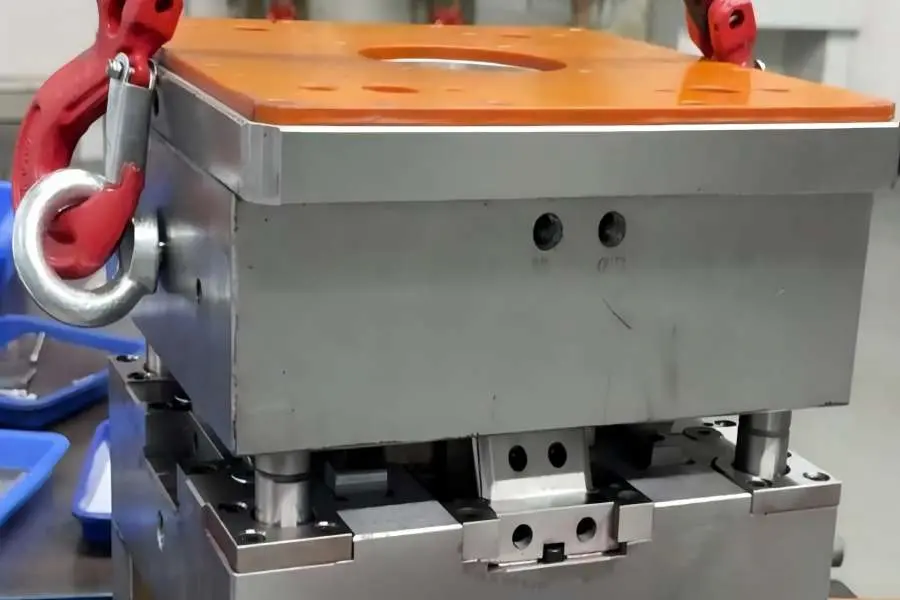
Mold quality is not confirmed until assembly and testing are completed. During assembly, moving parts must work smoothly, fitting surfaces should be checked carefully, and the overall mold structure needs to be verified.
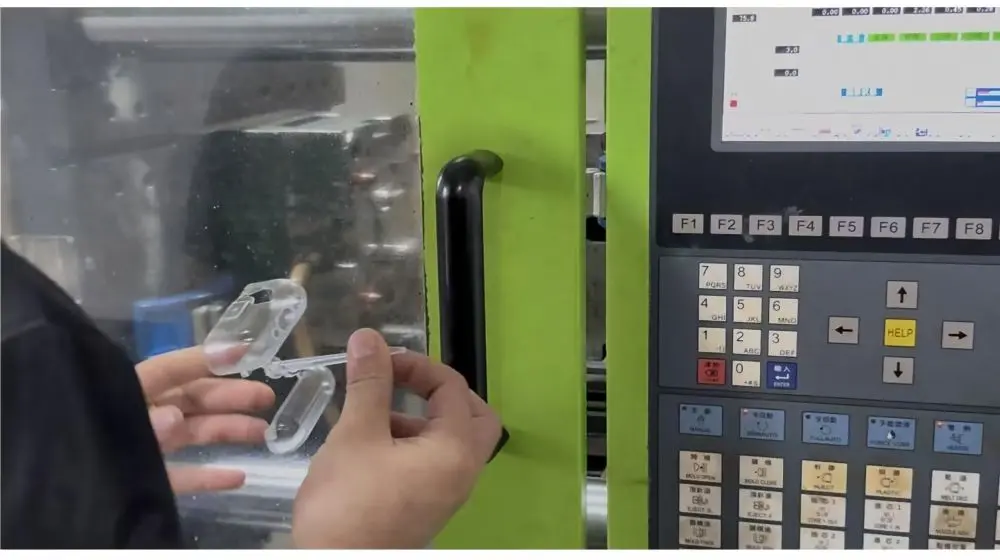
After that, mold trial is an important stage. It allows the manufacturer to evaluate:
- Part filling condition
- Cooling performance
- Ejection stability
- Flash risk
- Dimensional consistency
- General mold operation
Final inspection should not only focus on mold dimensions, but also on whether the mold is ready to support stable production. In many cases, small issues discovered during trial can be corrected early, reducing future production problems.
Why Mold Quality Requires Process Control
These five factors are closely connected. Good mold steel cannot replace poor design. Accurate machining cannot fully solve a weak cooling system. And a good design still depends on correct assembly and testing.
That is why mold quality should be viewed as a complete process rather than a single manufacturing step.
A more reliable approach usually includes:
- Clear review of product drawings
- Suitable steel recommendation
- Controlled machining process
- Careful fitting and assembly
- Mold trial and inspection before delivery
When each stage is managed carefully, the mold is more likely to support stable production and reduce future issues.
Conclusion
Injection mold quality is influenced by many details, but five factors are especially important: mold design, steel selection, machining accuracy, heat treatment, and final testing. These factors work together and directly affect mold life, part quality, and production performance.
For companies sourcing a new mold, it is helpful to evaluate not only price and delivery time, but also how the supplier approaches these technical areas. A mold built with stronger process control is more likely to perform consistently in actual production.
If you are preparing a custom mold project, Zecheng Precision Mold Company can support discussions on mold design, manufacturing control, and project requirements to help improve production stability.
Common Injection Mold Problems and How to Solve Them
Injection Mold Steel Selection: How to Choose the Right Steel for Your Mold