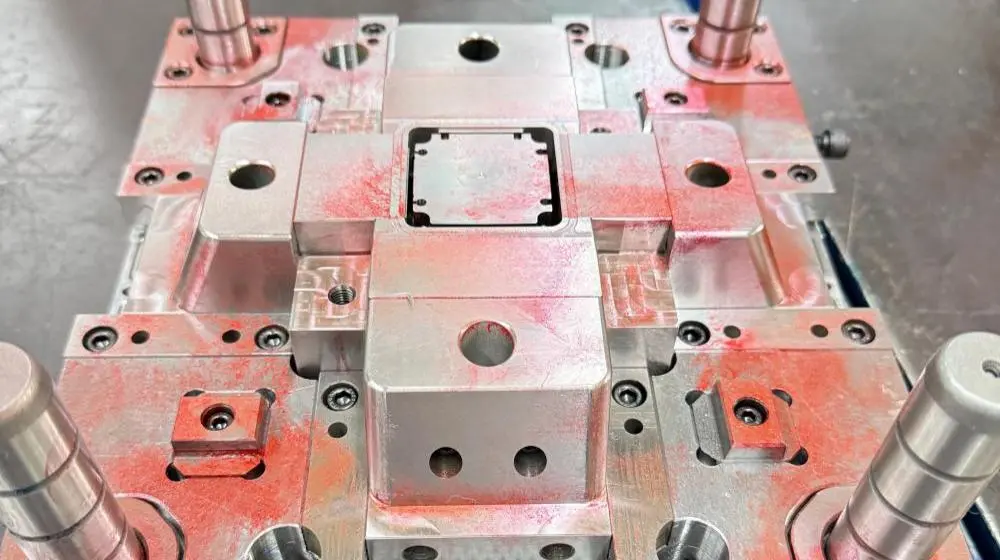
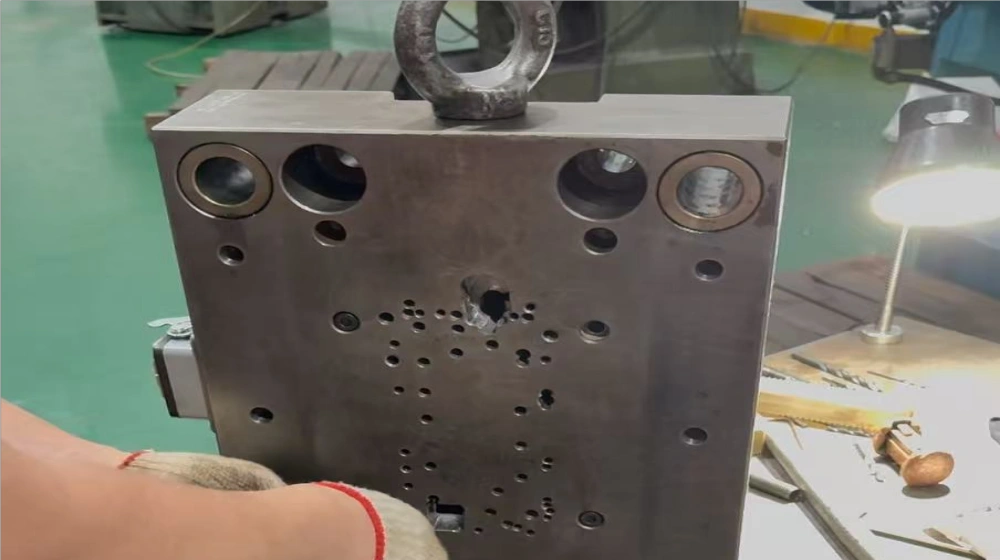
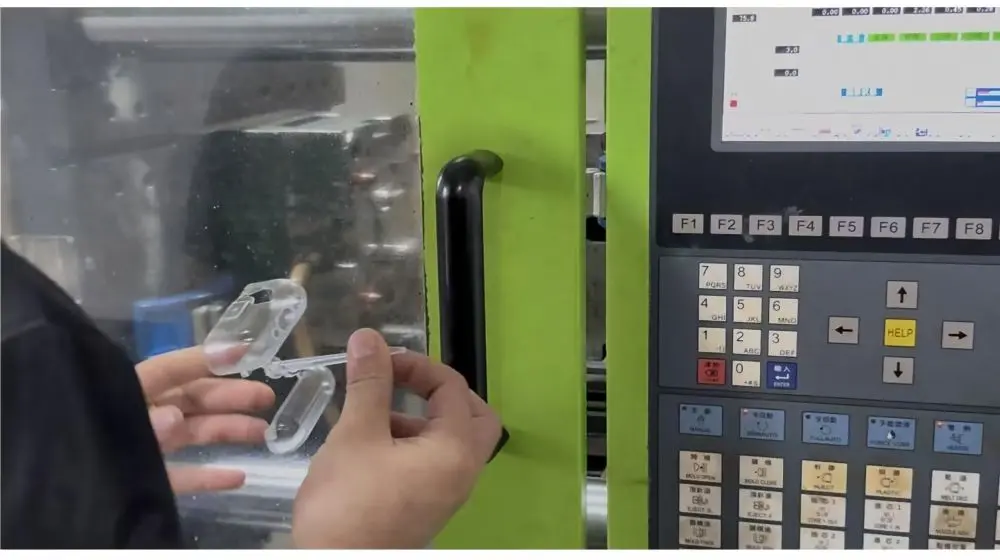
What Information Is Needed Before Quoting an Injection Mold Project?
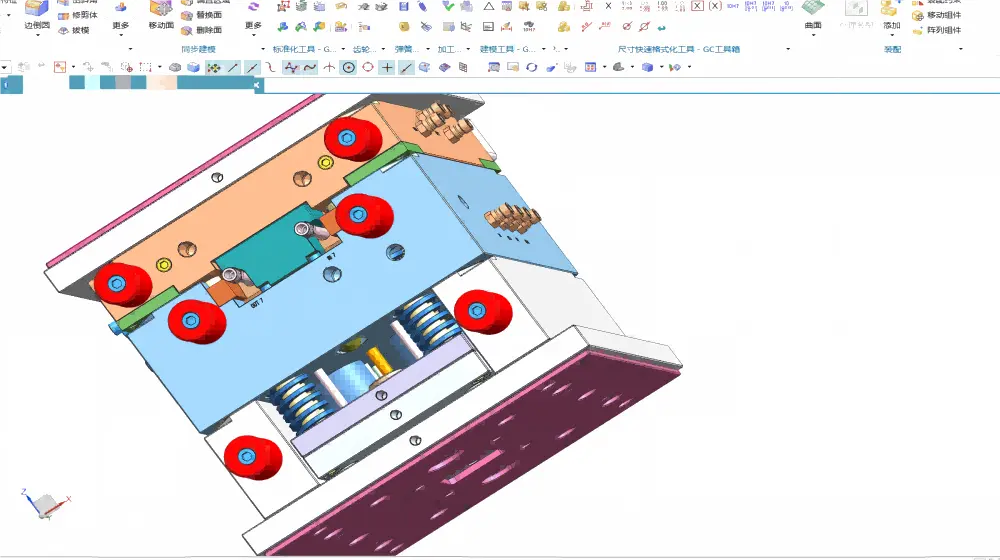
A clear and accurate quotation is an important starting point for any injection mold project. If the information provided at the beginning is incomplete, the quotation may not fully reflect the actual mold structure, manufacturing difficulty, or overall project requirements. This can lead to delays, repeated communication, or differences between the original quotation and the real production needs.
From our experience, both customers and mold manufacturers benefit when the project details are clarified early. A reliable mold quotation is not based only on a part image or a rough product idea. It usually depends on a combination of technical and commercial information that helps define the project scope more clearly from the beginning.
Why Complete Quotation Information Matters
Injection mold pricing is influenced by many factors. Part shape, wall thickness, surface requirement, cavity quantity, mold life expectation, and plastic material can all affect the mold design and manufacturing workload.
When quotation information is complete, it becomes easier to:
- Evaluate mold complexity
- Recommend a more suitable mold structure
- Estimate manufacturing cost more accurately
- Reduce revision during project discussion
- Improve communication efficiency
Providing clear information at the beginning also helps avoid misunderstandings later in the project. In our quotation work, we often find that early technical clarity helps both sides move faster and make more practical decisions.
1) Part Drawing or 3D File
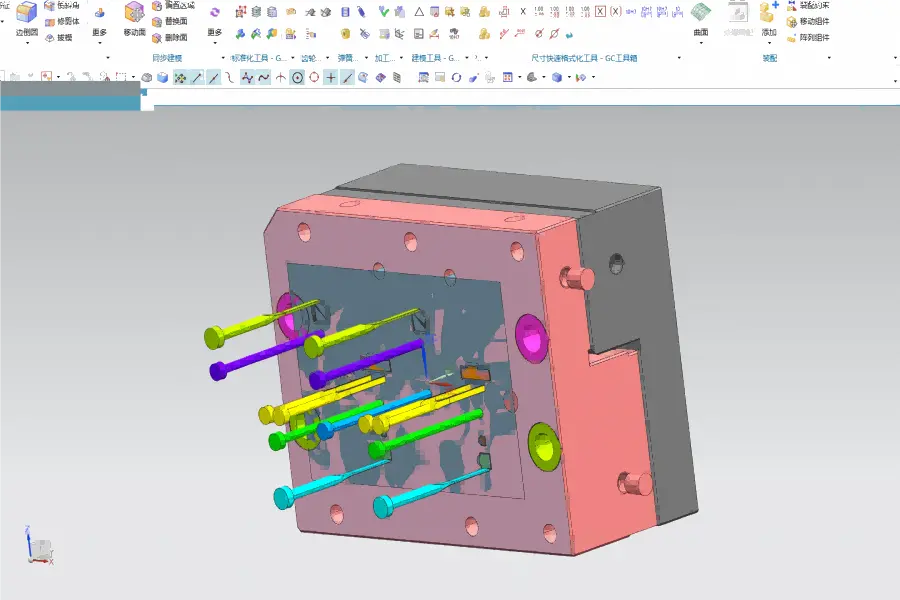
The most important quotation material is the part data. A 3D file is often the best starting point because it allows us to review the part shape, structure, draft condition, undercuts, wall thickness, and possible molding challenges more directly.
Helpful file types may include:
- 3D model files
- 2D drawings when available
- Reference dimensions
- Assembly relationships if relevant
If a 3D file is not available, a clear 2D drawing or a detailed sample reference may still help, but the quotation may involve more assumptions. In general, the more complete the part data is, the easier it becomes for us to evaluate the injection mold manufacturing requirements more accurately.
2) Plastic Material
The plastic material affects mold design, steel selection, shrinkage consideration, venting, cooling strategy, and expected mold wear. Different plastics behave differently during molding, and some require more attention to corrosion resistance, polishing performance, or wear control.
It is helpful to provide:
- Material name
- Grade if available
- Whether it includes glass fiber or additives
- Any special performance requirement
Without knowing the material, it is difficult to judge some key mold details accurately. In our experience, material information is one of the most important factors when reviewing mold structure and mold life expectations.
3) Product Quantity or Annual Demand
Expected production volume is another important factor in mold quotation. A prototype mold and a long-term production mold may use different structures, steel strategies, and cost levels. The expected quantity helps us evaluate mold life requirements and recommend a more suitable solution.
Useful information may include:
- Trial quantity
- Annual production volume
- Total expected demand
- Whether the project is short-term or long-term
This helps balance cost, durability, and production strategy from the beginning. It also helps avoid quoting a mold that is either overdesigned or not suitable enough for the actual production target.
4) Surface Finish and Appearance Requirement
If the product has visual requirements, this should be stated clearly before quotation. A high-gloss finish, textured surface, transparent part, or cosmetic appearance requirement can all affect steel selection, polishing workload, and mold finishing standards.
It is useful to explain:
- Whether the part is appearance-critical
- Whether there are special texture requirements
- Whether transparency or gloss is important
- Which areas are cosmetic surfaces
The mold quotation may differ significantly depending on the required finish standard. In our mold projects, appearance requirements often affect not only polishing work, but also steel choice and manufacturing details.
5) Tolerance and Key Dimension Requirements
Not all dimensions on a plastic part have the same importance. Some may be general reference dimensions, while others may directly affect assembly or product performance. If the key tolerances are not identified, the supplier may not be able to evaluate the real mold precision requirement properly.
Helpful information includes:
- Critical dimensions
- Assembly-related areas
- Tighter-than-normal tolerance zones
- Any special fit requirement
This helps us focus on the dimensions that matter most to the final product. It is also useful for reviewing whether the mold design and manufacturing process need more attention in certain areas.
6) Cavity Quantity Preference
The number of cavities in the mold affects mold size, cost, productivity, and production planning. Some projects may prefer a single-cavity mold for development or lower volume. Others may require multi-cavity production for higher efficiency.
If you already have a preferred direction, it is helpful to mention it during quotation. If not, we can review the part size, expected quantity, and project target to discuss a suitable cavity configuration.
This point is important because cavity quantity influences not only mold cost, but also future production efficiency and overall project planning.
7) Mold Life Expectation
Mold life is closely related to material selection, structure, and manufacturing cost. A mold intended for limited trial use may not need the same configuration as a mold for long-term mass production.
It is helpful to communicate:
- Expected mold lifespan
- Whether the mold is for sampling or production
- Whether future volume increase is likely
This helps avoid either overdesign or underdesign during the quotation stage. In our experience, mold life expectation is one of the key points that should be aligned early when planning a new injection mold project.
8) Special Project Requirements
Some mold projects include additional needs beyond the basic mold itself. These may affect both price and schedule, so it is better to clarify them early.
Examples include:
- Hot runner requirement
- Special inserts
- Mold standard preference
- Export mold requirement
- Specific packaging or documentation
- Sampling request and inspection standard
If these details are clarified early, the quotation can better match the actual project expectations. This also makes later communication more efficient and reduces the chance of unexpected scope changes.
Conclusion
A reliable injection mold quotation depends on more than the part image alone. Important information usually includes the part drawing or 3D file, plastic material, expected quantity, surface requirement, tolerance focus, cavity preference, mold life expectation, and any special project conditions.
The more clearly these points are communicated, the easier it becomes to prepare a quotation that reflects the real mold requirements. Early technical clarity can also help reduce delays and improve project efficiency later.
At Zecheng Precision Mold Company, we believe that a good quotation starts with a clear understanding of the project. If you are preparing a new injection mold project, we would be glad to discuss your part data, production needs, and technical requirements to support a more practical quotation process.
How to Extend the Service Life of an Injection Mold
Common Injection Mold Problems and How to Solve Them